The graphic design industry is moving at breakneck speed. As we approach 2026, the tools, aesthetics, and expectations of the industry are undergoing a seismic shift. For a new graphic designer, understanding the horizon isn’t just about staying trendy, it’s about survival.
While 2023 and 2024 were defined by the experimental introduction of AI and the “Brutalist” revival, 2026 is shaping up to be the year of “Synthetic Harmony.” This is where human emotion meets machine precision.
In this article, we will analyze the most dominant trend predicted for 2026—AI-Integrated Generative Design—and explore whether it will rule the industry or face a creative backlash.
The Trend: AI-Integrated Generative Design
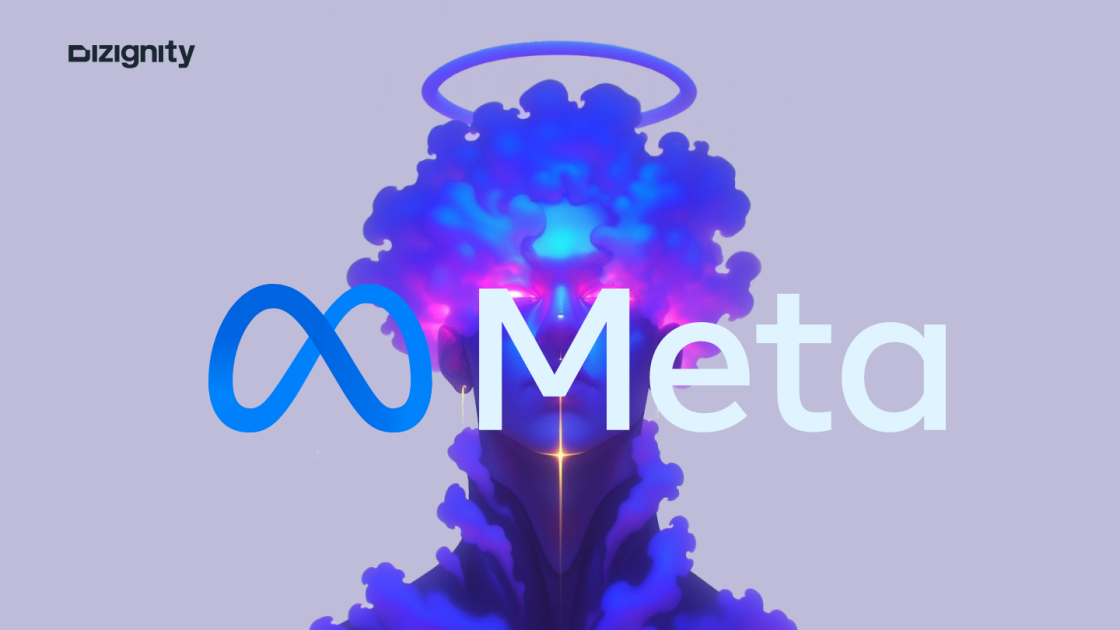
In 2026, the trend isn’t just a visual style; it is the process itself. We are moving beyond using AI simply to generate an image from a prompt. The 2026 trend is Generative Design Systems.
This involves designers using AI tools not just as a generator, but as a collaborative partner. Designers are creating complex, algorithm-based systems that generate unique visual assets, color palettes, and layouts in real-time, adapting to user data.
What Does It Look Like?
- Dynamic Branding: Logos and brand identities that subtly shift color or shape based on the time of day or user interaction.
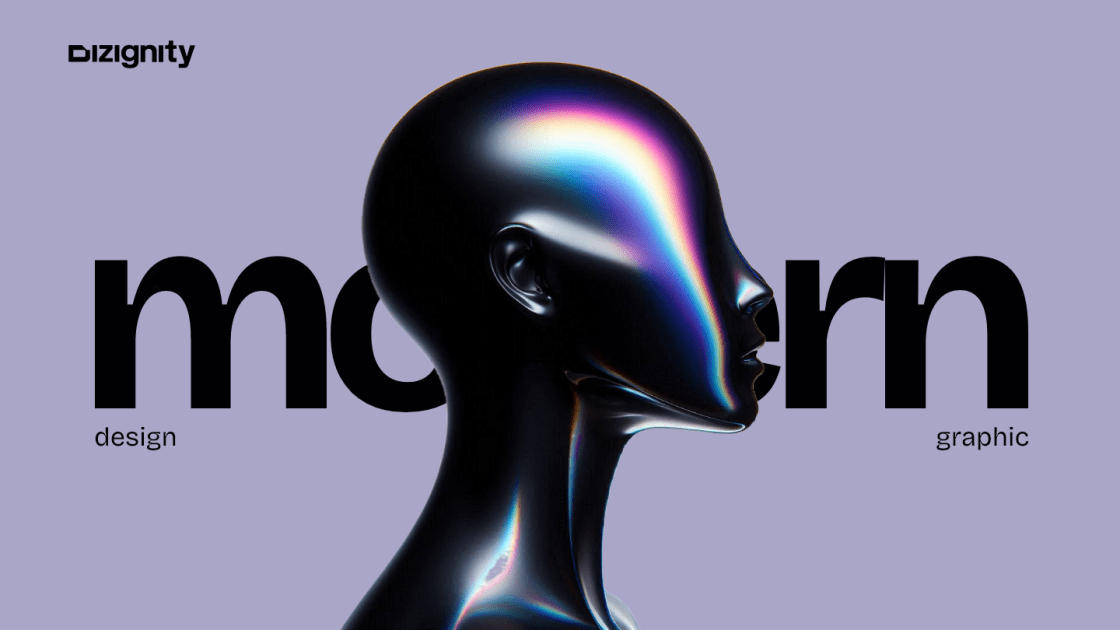
- Hyper-Realistic 3D Surrealism: A blend of 3D typography and organic textures that look impossible to render by hand.
- Kinetic Typography: Text that moves and breathes, integrated seamlessly into UI/UX design.
The Benefits: Why 2026 Belongs to AI-Integrated Design
For a new designer, this trend offers massive advantages if leveraged correctly.
1. Unprecedented Speed and Efficiency
The most obvious benefit is the workflow acceleration. In 2026, designers are no longer bogged down by repetitive tasks. AI handles the grunt work, resizing assets for different platforms, generating background variations, and initial ideation, allowing the designer to focus on high-level creative direction.
2. Infinite Customization
Generative design allows for “mass personalization.” A single design campaign can have thousands of visual variations without a designer manually creating each one. This is a massive selling point for marketing agencies and clients.
3. Breaking Creative Blocks
For a new designer, staring at a blank canvas is terrifying. AI-integrated tools provide instant starting points, mood boards, and color theory suggestions, acting as a digital brainstorming partner.
The Cons: The Risks of Relying on Algorithms
Despite the benefits, this trend comes with significant pitfalls that new designers must navigate.
1. The “Homogenization” Effect
As AI models are trained on the same datasets, there is a risk that designs will start to look eerily similar across the industry. If everyone uses the same tools with similar prompts, unique brand voices can get lost in a sea of “AI aesthetics.”
2. Ethical and Copyright Concerns
The legal landscape of AI design is still murky. In 2026, we expect to see stricter regulations regarding copyright infringement and the use of training data. Designers must be vigilant about the tools they use to ensure they aren’t inadvertently stealing from other artists.
3. The Devaluation of Technical Skills
There is a fear that reliance on AI will lead to a generation of designers who can prompt but cannot execute. Understanding typography, grid systems, and color theory remains essential; AI is a tool, not a replacement for foundational knowledge.
Will This Trend Dominate or Fade Away?
The central question for every designer is: Is this a bubble, or is this the new normal?
The Verdict: It Will Dominate (But Evolve)
AI-Integrated Generative Design is not a passing fad; it is the next industrial revolution of the creative field. It will dominate for the following reasons:
- Client Demand: Brands are demanding faster turnaround times and data-driven design. AI delivers both.
- Platform Integration: Major tools like Adobe Creative Cloud and Canva are baking AI directly into their core workflows. It is becoming impossible to avoid.
- The Rise of “Prompt Engineering” as a Skill: In 2026, “Prompt Engineering” is becoming as vital as knowing the Pen Tool in Illustrator.
However, it will not remain in its current form. We predict that by 2027, the trend will shift from “Generative” to “Curatorial.” The value will shift from creating the image to selecting, refining, and humanizing the AI output.
The designers who will succeed are not the ones who let the AI do the work, but the ones who use AI to elevate their unique human vision.
How to Prepare as a New Designer
If you are just starting your career, don’t panic. Here is how to future-proof your skills for the 2026 landscape:
- Master the Tools, Don’t Just Use Them: Learn the AI features within Adobe Photoshop and Figma, but ensure you still understand the manual processes.
- Develop a Niche Style: AI struggles to replicate a highly specific, human artistic style. Cultivate a visual voice that is uniquely yours.
- Focus on Strategy: Design is becoming less about manual execution and more about strategic thinking. Learn how design solves business problems.
Final note
The graphic design trends of 2026 are exciting, challenging, and undeniably tech-forward. While AI-Integrated Generative Design will likely dominate the workflow, the human element, taste, empathy, and storytelling, remains irreplaceable.
For the new graphic designer, the future is bright, provided you are willing to adapt, learn, and collaborate with the machines.